Discover the hidden undercrofts of Edinburgh Castle, from medieval storage rooms to dark wartime prisons, and uncover the dramatic subterranean history of this iconic fortress. Learn about the prisoners, the architecture, and how to plan your visit.
Perched high upon an extinct volcanic crag, Edinburgh Castle dominates the Scottish capital's skyline with an imposing majesty. Millions of travelers walk through its ancient gates every year, marveling at the grand architecture and sweeping views of the city below. Yet, beneath the cobbled pathways and royal chambers lies a completely different world, shrouded in shadows and echoing with the whispers of the past. Descending into Edinburgh Castle's vaults and dungeons reveals a subterranean labyrinth of medieval storage rooms, wartime prisons, and narrow passages rarely noticed by the casual observer. This dark, damp underbelly offers a stark contrast to the regal splendor above, holding dramatic accounts of prisoners and architectural quirks that shaped both the defense and daily life of this historic fortress. Exploring Edinburgh Castle's vaults and dungeons offers a unique glimpse into this hidden history.
The Hidden Labyrinth Beneath Edinburgh Castle
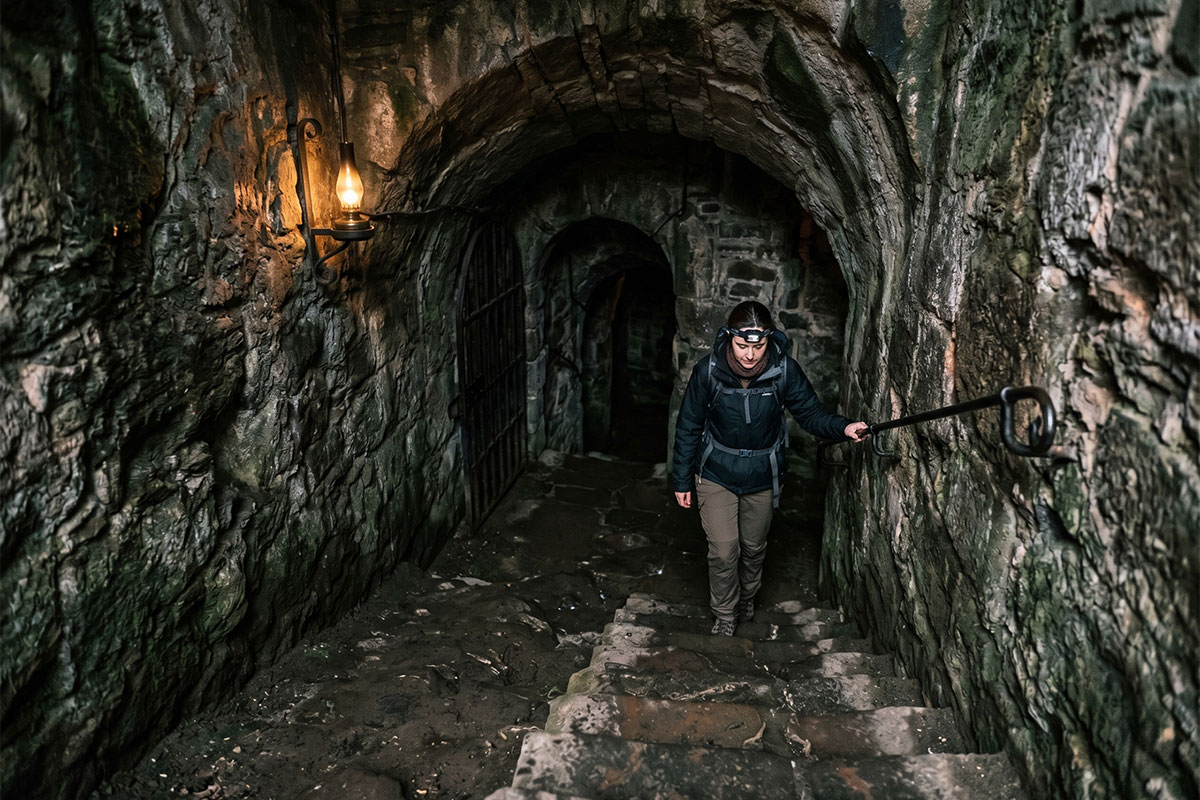
The story of these underground spaces is intricately woven into The Story of Edinburgh Castle itself. Built directly into the unforgiving basalt rock, the lower levels were engineered to support the massive weight of the structures above. As you wander through these dimly lit corridors, you can feel the heavy drop in temperature and smell the ancient, damp stone. These narrow passages were not originally designed for human habitation but rather as functional spaces critical to the castle's survival during long, grueling sieges. The architectural quirks here are fascinating; massive vaulted ceilings distribute the immense load of the buildings overhead, creating a cavernous environment that feels entirely isolated from the outside world. According to Historic Environment Scotland, the castle's unique geology significantly influenced the design and utilization of these underground spaces.
Medieval Storage: The Lifeline of Edinburgh Castle
Long before they housed captured soldiers, the deep stone vaults served as the castle's primary storage facility. Maintaining a fortress of this size required massive logistical planning, especially during the turbulent medieval period when sieges were a constant threat. The undercrofts were packed to the brim with barrels of ale, salted meats, grain, and an extensive arsenal of weaponry. Without these crucial supplies safely tucked away from enemy fire, the stronghold would have easily fallen to starvation and depletion. According to historical records, during the Lang Siege of 1571-1573, the castle's stores were crucial in withstanding the prolonged assault. The availability of these resources was a direct result of the strategic planning and architectural design of the vaults.
These subterranean storage units were strategically located directly beneath the main administrative and ceremonial areas. For instance, the vaults sit just below Crown Square and the magnificent The Great Hall. This clever positioning allowed servants and guards to quickly transport food and supplies up to the banqueting tables or move gunpowder and cannonballs to the defensive walls at a moment's notice. Crown Square, the heart of royal activity, would have been directly reliant on the steady flow of resources from the vaults below, ensuring the smooth operation of court life even under siege. It was a bustling, albeit dark, hub of daily activity that kept the fortress functioning smoothly through centuries of peace and peril.
Wartime Prisons: Echoes of Despair and Defiance in Edinburgh Castle's Dungeons
As conflicts escalated across Europe and the Americas, the function of these vast undercrofts took a much darker turn. By the 18th and 19th centuries, the vaults had been converted into heavily guarded wartime prisons. The sheer scale of these dungeons is staggering, as they once held thousands of prisoners of war from various global conflicts, including the Seven Years' War, the American War of Independence, and the Napoleonic Wars. Records indicate that at one point, over 1,000 prisoners were confined within these walls. The transformation of storage vaults into prisons reflects a significant shift in the castle's role and purpose.
The conditions within these subterranean prisons were incredibly harsh and unforgiving. Sunlight barely penetrated the thick stone walls, and the damp chill of the Scottish climate seeped into the bones of the captive men. However, these prisoners left behind poignant reminders of their existence and resilience. If you look closely at the original wooden doors and stone pillars, you can still see the intricate graffiti carved by desperate hands—names, dates, national emblems, and even crude depictions of the ships they sailed on. These dramatic accounts of prisoners offer a deeply human connection to the past, transforming the cold vaults into a poignant memorial of survival. One notable example is the carving of an early American flag, believed to be etched by a prisoner from the American War of Independence. According to prison records, many American prisoners were held here due to their involvement in privateering activities against British ships.
A Glimpse into the Prisoner Demographics
To truly understand the scale of the castle's role as a prison, it helps to look at the diverse groups of men who were confined within its depths. The sheer volume of captives required constant adaptation of these underground spaces to prevent mass escapes. The table below outlines the primary conflicts and the types of prisoners held in the vaults over the centuries:
| Conflict Era | Prisoner Origin | Notable Details |
| Seven Years' War (1756–1763) | French Sailors and Soldiers | First major influx of foreign prisoners, leading to the rapid expansion of the vaults' prison capacity. |
| American War of Independence (1775–1783) | American Privateers and French Allies | Many prisoners carved the early American flag and ships into the wooden doors, which can still be seen today. |
| Napoleonic Wars (1803–1815) | French, Spanish, and Dutch Forces | The most crowded period for the dungeons, housing over 1,000 men at a time in incredibly cramped conditions. |
Architectural Quirks and Defensive Strategies of Edinburgh Castle's Vaults
The design of the undercrofts was not merely about storage or incarceration; it was a fundamental component of the castle's defensive strategy. The thick walls and reinforced arches made these vaults virtually impenetrable to enemy artillery fire. Even if the upper courtyards were breached by an invading army, the subterranean levels could serve as a final, highly defensible redoubt for the remaining garrison.
Navigating these spaces today, visitors often notice the sudden dead ends, uneven floorings, and strangely shaped alcoves. These architectural quirks were often the result of builders adapting to the irregular shape of the volcanic rock over different centuries. The vaults also played a crucial role in supporting The Royal Palace, ensuring that the royal residence remained completely stable despite the precarious nature of the cliff face. The structural integrity of the vaults was paramount to the overall stability of the castle complex.
While exploring these subterranean levels, keep an eye out for several distinct historical features:
- Original Timber Doors: Heavy, iron-studded oak doors that have withstood centuries of wear and tear.
- Prisoner Graffiti: Intricate carvings of names, ships, and dates etched directly into the stone and wood by desperate captives.
- Ventilation Shafts: Small, strategically placed openings designed to allow a minimal flow of air into the damp, crowded spaces.
- Massive Stone Arches: The structural backbone of the undercrofts, built to bear the immense weight of the courtyards above.
Contrasting the Dark Depths with the Light Above
After spending time in the somber, atmospheric dungeons, emerging back into the daylight of the upper castle is a profound experience. It allows you to fully appreciate the stark contrast between the lives of those imprisoned below and the royalty who walked above. You can easily transition from the grim reality of the vaults to the serene beauty of St Margaret's Chapel, the oldest surviving building in the city, or stand in awe of Mons Meg, the mighty medieval siege cannon that once defended these very walls.
Edinburgh Castle is a place of multifaceted history, where every stone has a distinct tale to tell. While the dungeons speak of captivity and endurance, areas like the Scottish National War Memorial offer a space for solemn remembrance and honor. To truly grasp the breadth of this fortress, taking the time to Explore Our Sections is highly recommended, as each area holds its own unique story, balancing the dark underbelly with moments of architectural triumph.
Planning Your Descent into History: Visiting Edinburgh Castle's Vaults and Dungeons
Exploring the Edinburgh Castle vaults and dungeons is an absolute must-do for anyone fascinated by the hidden layers of history. Because these spaces can be dimly lit and involve navigating uneven stone floors, wearing comfortable walking shoes is essential for a safe visit. The temperature drops noticeably underground, so bringing an extra layer of clothing is always a good idea, even if you are visiting on a warm day.
Location: Edinburgh Castle is located at Castlehill, Edinburgh EH1 2NG, United Kingdom. It's easily accessible by foot from the Royal Mile.
Tickets and Tours: Entry to the vaults is typically included with general admission to Edinburgh Castle. However, guided tours focusing specifically on the vaults and their history are often available and highly recommended. Check the Visiting Information page for tour schedules and availability. Booking in advance is strongly advised, especially during peak season. Book your tickets now! Ticket prices vary; consult the official website for current pricing.
Opening Hours: Edinburgh Castle's opening hours vary seasonally. Check the official website for the most up-to-date information.
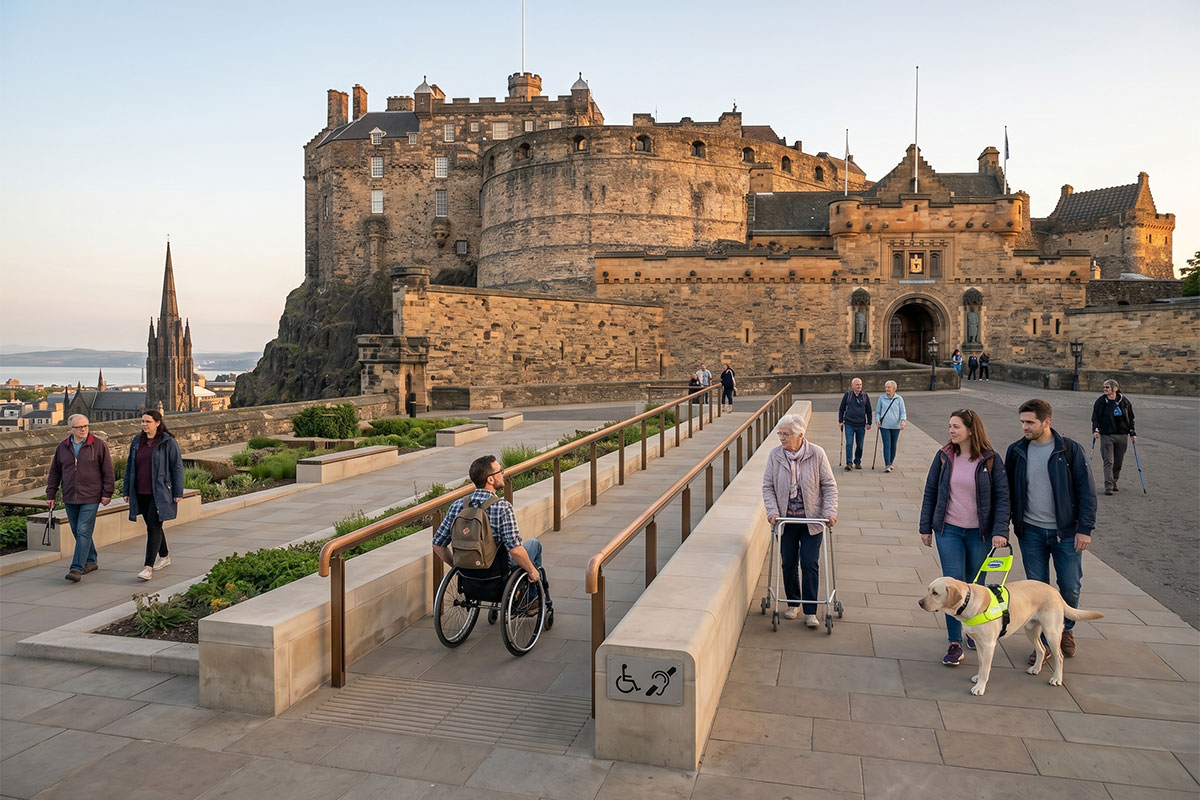
Accessibility: Due to the historical nature of the vaults, accessibility can be limited. Uneven floors and narrow passages may pose challenges for visitors with mobility issues. Consult the Frequently Asked Questions section or contact the castle directly for detailed accessibility information.
Photography: Photography is generally permitted in the vaults, but flash photography may be restricted in certain areas to protect the historical artifacts. Always follow the instructions of castle staff.
Estimated Visit Duration: Allow at least 1-2 hours to fully explore the vaults and dungeons, in addition to the rest of the castle grounds.
Getting There and Parking: Edinburgh Castle is best accessed on foot, as parking in the immediate vicinity is extremely limited. Public transportation options are readily available. Refer to the official website for detailed directions.
Safety Tips: Be mindful of low ceilings and uneven surfaces within the vaults. Watch your step and take your time exploring the dimly lit areas. Guided tours often provide additional safety information and insights into the history of the vaults. Consider booking a guided tour for a more in-depth and secure experience.
Uncover the Secrets Below
The vaults and dungeons of Edinburgh Castle offer a unique and unforgettable glimpse into the darker side of the fortress's history. From medieval storage to wartime prisons, these subterranean spaces hold countless stories of survival, resilience, and architectural ingenuity. So, Book Your Castle Experience today and prepare to descend into the depths of history!
Frequently Asked Questions (FAQ)
- Are the vaults included in the general admission ticket? Yes, access to the vaults is usually included with the general admission ticket. However, special guided tours may require separate booking.
- Are the vaults accessible for visitors with mobility issues? Accessibility is limited due to uneven floors and narrow passages. Contact the castle for detailed information.
- Are there guided tours of the vaults? Yes, guided tours focusing on the vaults are often available. Check the Edinburgh Castle website for schedules.
- What should I wear when visiting the vaults? Comfortable walking shoes and an extra layer of clothing are recommended due to the uneven floors and cooler temperatures underground.
- What is the best time to visit the vaults? Visiting during off-peak season (spring or fall) will provide a less crowded experience. Early morning visits are also recommended.
Explore More
While you're visiting Edinburgh, consider exploring other historical sites such as the Royal Mile or other nearby castles. Don't forget your camera to capture the stunning views!
Enjoyed this article?
Share it with friends and fellow castle enthusiasts.