A comprehensive guide to planning an accessible visit to Edinburgh Castle. Discover practical tips on step-free routes, mobility aids, sensory advice, facility information, transportation options, and contact details to ensure a comfortable and memorable experience for everyone. Last updated: October 26, 2023.
Edinburgh Castle stands proudly on its volcanic rock, dominating the city skyline and inviting travelers from across the globe to step into Scotland's dramatic past. While exploring a medieval fortress built centuries ago might seem daunting if you have mobility, sensory, or health needs, careful planning can transform your journey into a comfortable and deeply rewarding experience. The Story of Edinburgh Castle is one of resilience and adaptation, and today, the site works hard to ensure its remarkable heritage is accessible to as many visitors as possible. Whether you are navigating with a wheelchair, managing invisible health conditions, or seeking a quieter sensory experience, knowing what to expect is the key to a memorable day out. This guide provides practical advice and information to help you plan an accessible visit.
Planning Your Accessible Visit to Edinburgh Castle
To make the most of your time, advance arrangements are highly recommended for all visitors requiring additional support. Securing your entry by deciding to Book Your Castle Experience ahead of time allows you to skip the longest queues and manage your energy levels effectively. Before you travel, taking a comprehensive look at the Visiting Information page and the Frequently Asked Questions can help you understand the specific layout of the esplanade and the castle gates. This preparation ensures that you arrive with a clear understanding of the terrain, helping you avoid any unnecessary physical strain before you even pass through the portcullis.
Getting There and Parking
Planning your journey to Edinburgh Castle is crucial for an accessible visit. Here's what you need to know:
- Accessible Parking: Limited accessible parking spaces are available near the castle. Contact the castle in advance to inquire about availability and reserve a space.
- Drop-off Point: There is a designated drop-off point for visitors with mobility issues closer to the entrance.
- Public Transport: Edinburgh's public transport system offers accessible options. Check Lothian Buses for accessible bus routes to the Royal Mile. Waverley Station, the main train station, has step-free access.
- Route Recommendation: The Royal Mile has a steady incline and cobblestones. Consider using a taxi or accessible bus to reach the esplanade.
Arrival and Assistance at the Castle
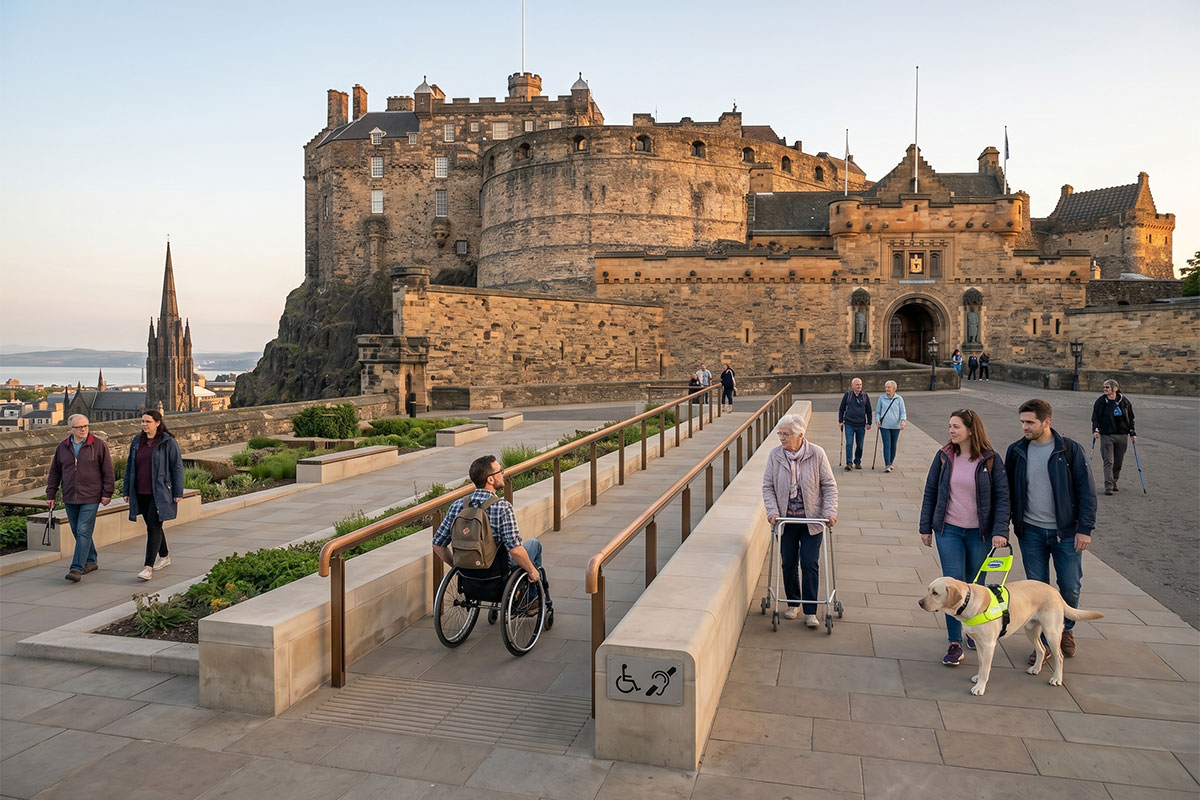
The journey up the Royal Mile features a steady incline and traditional cobblestones, which can be challenging for manual wheelchair users or those with limited stamina. Upon arrival at the esplanade, visitors with mobility needs can request assistance from the dedicated castle staff. A courtesy mobility vehicle is often available to transport guests from the ticket office area to the upper levels of the castle, bypassing the steepest cobbled paths. It is always best to speak with the staff on the day, as they are thoroughly trained to help you find the most sensible route choices to maximize comfort during your visit. If you require mobility aids, a limited number of manual wheelchairs are available to borrow on a first-come, first-served basis, providing an extra layer of support for your exploration. It's recommended to arrive early to increase your chances of securing a wheelchair.
Navigating the Historic Terrain: Step-Free Routes
When you Explore Our Sections, you will quickly notice that the fortress is built on a steep, uneven volcanic rock that naturally dictates its layout. While some areas retain their historic steps and narrow medieval doorways, there are designated step-free routes that allow you to bypass the most difficult terrain. Understanding which areas are easily accessible and which might require a bit more effort is crucial for pacing yourself throughout the day.
| Castle Area | Mobility Accessibility | Sensory Notes |
| Lower Ward & Ticket Office | Fully accessible, flat paved areas. Wheelchairs available to borrow here. | Can be crowded and noisy during peak entry times. |
| Middle Ward (Argyle Battery) | Cobbled but manageable. Steep incline from the lower ward. | Open air, highly exposed to wind. Loud during the One O'Clock Gun firing. |
| Upper Ward (Summit) | Accessible via courtesy vehicle. Mostly flat once at the top. | Generally quieter, though echoing can occur in the surrounding stone chambers. |
Exploring the Main Attractions
Crown Square and the Royal Palace
At the very top of the fortress, Crown Square serves as the ceremonial and administrative heart of the castle. Accessing it on foot involves a steep incline, but the courtesy vehicle can take you directly there, and once at the summit, the square is relatively flat and paved. Here, you can visit The Royal Palace, which offers ramped access to the ground floor where the magnificent Honours of Scotland are kept. Navigating this area allows you to immerse yourself in royal history without having to negotiate difficult staircases.
The Great Hall and Scottish National War Memorial
Nearby, The Great Hall offers a relatively accessible ground-floor experience, allowing visitors to marvel at the impressive wooden roof and historic weaponry. Although the main doorways can be slightly narrow, staff are always on hand to assist with access and ensure a smooth entry. Just across the square, the Scottish National War Memorial provides ramped access upon request, offering a serene, accessible, and deeply moving space for quiet reflection.
St Margaret's Chapel and Mons Meg
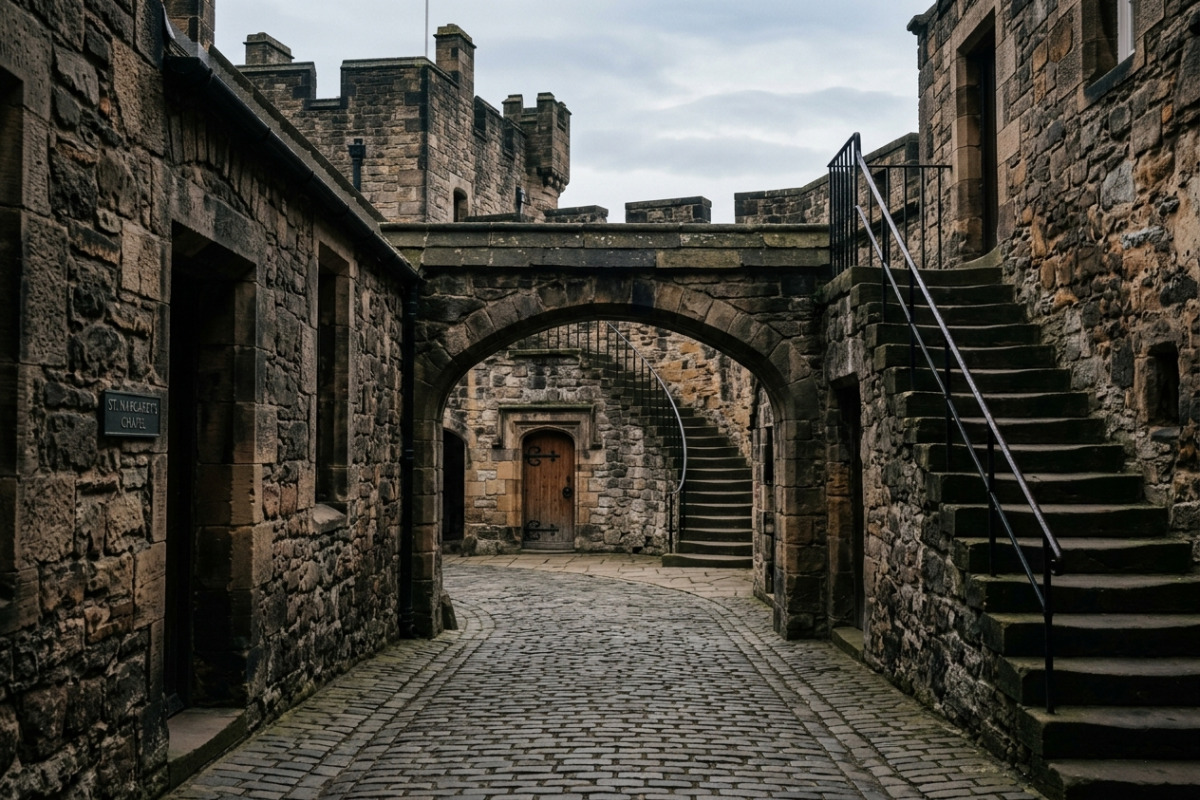
For those heading to the upper wards, St Margaret's Chapel presents a few unique historical challenges. As the oldest surviving building in Edinburgh, its entrance is quite narrow and features a small stone step, meaning wheelchair users may need to view the beautiful Romanesque interior from the doorway. Just a short distance outside the chapel, you will find Mons Meg pointing out over the city. The path leading to this mighty medieval cannon is cobbled but generally manageable for sturdy mobility scooters and assisted manual wheelchairs, allowing you to get up close to this iconic piece of artillery.
Facilities for Sensory and Health Needs
For visitors with sensory needs, the castle environment can occasionally be bustling, echoing, and loud. The daily firing of the One O'Clock Gun, for instance, produces a sudden, massive sound that can be overwhelming for those sensitive to noise. If you prefer a quieter environment, arriving early in the morning right at opening time or later in the afternoon can help you avoid the largest crowds and the peak noise levels. Bringing noise-canceling headphones is highly recommended if sudden sounds or the echoing acoustics of stone chambers cause discomfort, ensuring you remain relaxed as you explore.
Additional Services and Information
- Wheelchair Loan: Manual wheelchairs are available on a first-come, first-served basis from the ticket office. Arrive early for the best chance of securing one.
- Assistance Dogs: Assistance dogs are welcome throughout the castle grounds.
- Hearing Loops: Hearing loops are installed in key areas, including the ticket office and some exhibition spaces. Inquire at the information desk for details.
- Quiet Times: Consider visiting during off-peak hours for a quieter experience. Mornings and late afternoons are generally less crowded.
Practical Tips for a Comfortable Experience
Ensuring your physical comfort goes beyond just knowing the routes and utilizing the available mobility aids. The Scottish weather can be notoriously unpredictable, and the exposed nature of the castle rock means winds can be strong and temperatures can drop suddenly. Dressing appropriately and knowing where to take breaks will significantly enhance your overall experience. Consider the following practical tips to ensure your visit is as smooth and enjoyable as possible:
- Wear sensible footwear: Even on step-free routes, the historic cobblestones require sturdy, comfortable shoes with good grip to prevent fatigue.
- Pace your exploration: Do not feel pressured to see everything at once. Take regular breaks at the accessible cafes or quiet outdoor benches located throughout the site.
- Utilize accessible facilities: Accessible toilets are conveniently located near the ticket office and within the main castle complex, ensuring you have necessary facilities close at hand.
- Dress in layers: The weather at the top of the castle rock is often much cooler and windier than on the city streets below, so bring warm, waterproof clothing.
Frequently Asked Questions
- Do I need to book in advance if I require assistance? While not always required, booking in advance is highly recommended to ensure staff availability and a smoother entry process.
- Who can I contact with specific accessibility questions? For specific inquiries, please contact Edinburgh Castle directly at [Phone Number Placeholder] or email [Email Address Placeholder].
Ultimately, visiting this iconic Scottish landmark should be an inspiring and joyful experience for everyone, regardless of physical or sensory limitations. By taking advantage of the available resources, planning your routes, and communicating your needs to the welcoming staff, you can fully immerse yourself in the magic of the fortress. Every stone here tells a story, and with a little preparation, you will be well-equipped to discover those stories at your own pace. We look forward to welcoming you and ensuring your time spent within these historic walls is nothing short of extraordinary.
Enjoyed this article?
Share it with friends and fellow castle enthusiasts.