Explore the hidden layers of Edinburgh Castle's history. From its volcanic foundations to its role as a political powerhouse, discover how strategic decisions shaped Scotland's iconic fortress.
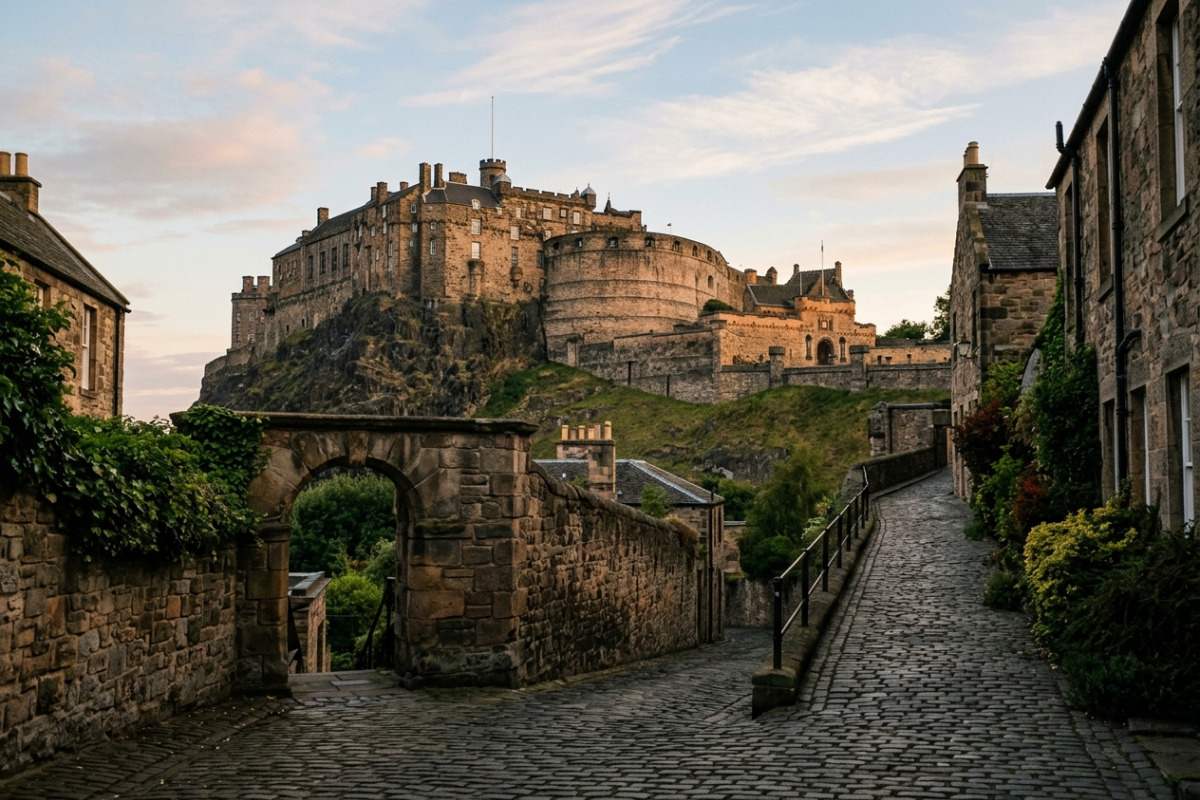
Standing atop the black basalt of Castle Rock, Edinburgh Castle is more than a mere landmark; it is a physical manifestation of a nation's shifting power dynamics. To truly understand its history, one must look beyond the surface of its stone walls and delve into the strategic decisions and clandestine operations that dictated its evolution. This chronicle explores the unseen layers of influence that have shaped the castle, offering a decision-oriented guide for those seeking to understand why this fortress remains the heart of Scottish identity and a masterclass in political survival.
The Geopolitical Algorithm: Why Castle Rock?
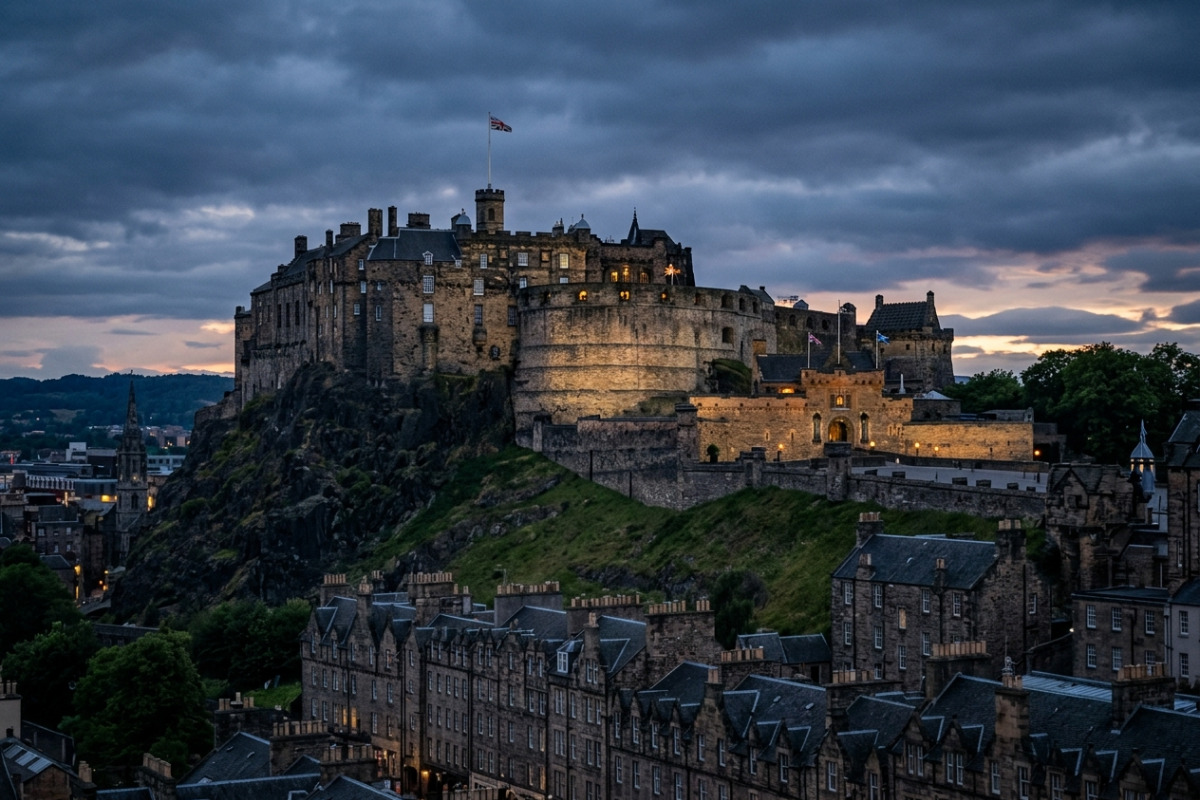
The decision to fortify this specific location was not merely a matter of convenience; it was a calculated geopolitical move. Geologically, the castle sits on a volcanic plug, a natural defensive masterpiece carved by glacial activity. For the early inhabitants and later the medieval monarchs, the decision to hold this rock was a decision to control the Lothians. From an analytical perspective, the castle’s history begins with a rigorous risk-management assessment of its geography.
- The Cost of Defense: Three sides of the rock are protected by sheer cliffs, making a direct assault nearly impossible. This allowed the Scottish crown to allocate resources elsewhere, focusing on the vulnerable 'Royal Mile' approach.
- Psychological Deterrence: The castle dominates the skyline, serving as a visual tool of intimidation. It was designed to project 'Visual Authority' to both approaching foreign armies and domestic rebellious factions.
- The Trade Nexus: Its proximity to the Firth of Forth meant that whoever held the castle could influence maritime trade and diplomatic arrivals from Europe, effectively acting as the customs house of the kingdom.
The Davidian Revolution: The Administrative Pivot
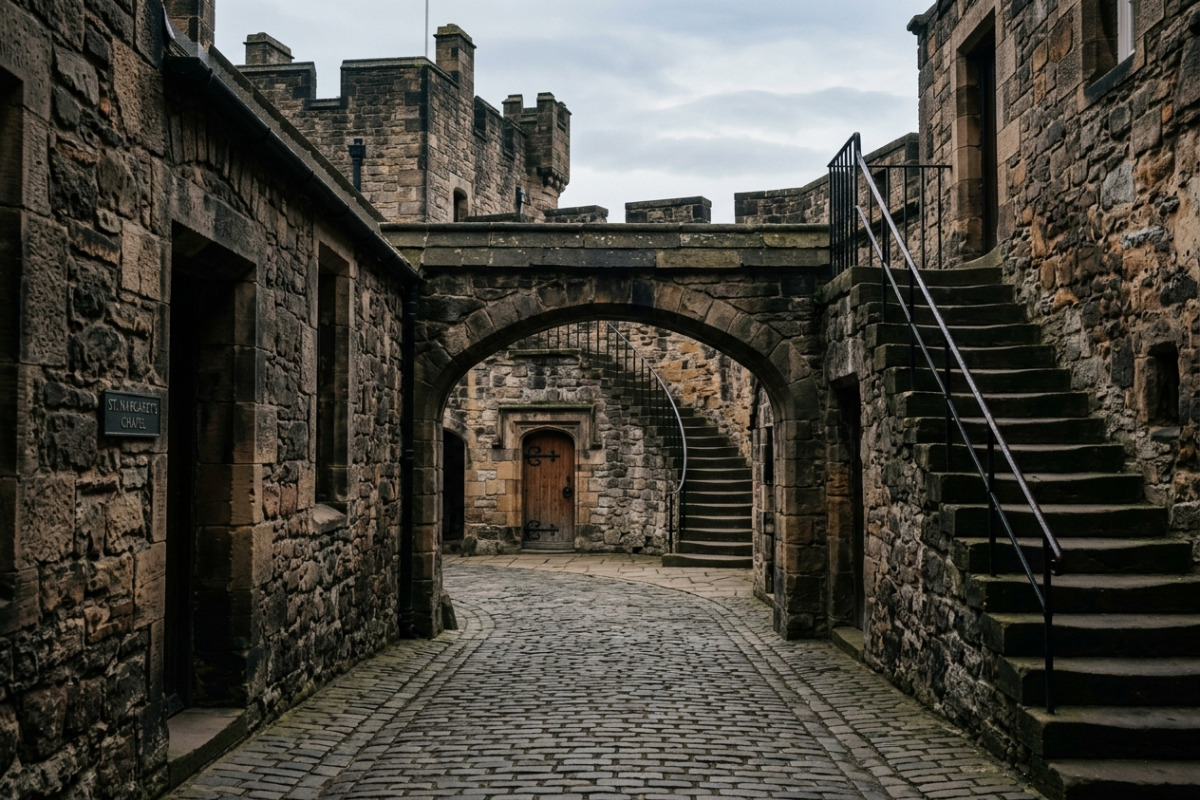
One of the most significant shifts in the castle’s history was the decision by King David I in the 12th century to transform it from a crude hillfort into a sophisticated center of administrative and royal power. This wasn't just about safety; it was about legitimacy and the 'Europeanization' of the Scottish court. The construction of St. Margaret’s Chapel—the oldest surviving building in Edinburgh—was a calculated move to honor his mother and solidify the religious and political standing of the House of Canmore against northern rivals.
David’s decision-making framework involved moving the seat of government from Dunfermline to Edinburgh, recognizing that the rock offered a more centralized location for controlling the increasingly important southern territories. This move effectively birthed the modern Scottish state, using the castle as the primary engine of taxation, law, and royal decree.
The Architecture of Surveillance: The Great Hall and Spycraft
By the time of James IV, the castle had evolved into a sophisticated Renaissance court. The construction of the Great Hall in the early 16th century represents a pivotal moment in the chronicles of influence. This was not a defensive structure but a stage for high-stakes diplomacy. However, beneath the grandeur lay a darker purpose: the 'unseen' history of political espionage.
The Laird’s Lug: The King’s Secret Ear
The intricate hammerbeam roof of the Great Hall hides a fascinating secret: the 'Laird’s Lug' (the Lord’s Ear). This was a small, hidden aperture behind the fireplace that allowed the King to eavesdrop on conversations in the Hall below. This architectural choice reveals the duality of the castle: a place of grand public displays of power and a site of clandestine surveillance. The decision to include such a feature highlights the constant paranoia of the Stewart dynasty and their reliance on gathered intelligence to maintain their grip on a fractious nobility.
The Lang Siege: A Turning Point in Defensive Philosophy
The 'Lang Siege' of 1571–1573 serves as a critical case study in the castle's military and diplomatic history. The conflict between the 'Queen's Men' (supporters of Mary, Queen of Scots) and the 'King's Men' (supporters of the infant James VI) forced a total rethink of the castle's architecture and its role in international relations. This wasn't just a battle of cannons; it was a battle of supply lines and secret alliances with England and France.
- Technological Adaptation: The destruction of the massive David’s Tower by English artillery led to the construction of the Half Moon Battery. This was a strategic pivot from high, thin medieval walls to thick, low batteries designed to withstand modern gunpowder warfare.
- The Failure of Isolation: The siege demonstrated that even the most formidable fortress could not survive without external maritime support. The decision to surrender was ultimately a logistical one, as the castle's wells were choked with debris, proving that nature—not the enemy—often dictated the castle's fate.
- The End of the Royal Residence: This period effectively ended the castle’s role as a primary royal residence. The decision was made to move the court to the more comfortable and accessible Palace of Holyroodhouse, leaving the castle to evolve into a dedicated military garrison and symbolic storehouse.
The Honours of Scotland: High-Stakes Asset Protection
The history of the Honours of Scotland (the Crown Jewels) provides a unique window into the castle's role as a guardian of national identity. The decision to hide these regalia during the Cromwellian invasion of the 1650s was a desperate act of preservation. The 'unseen' narrative here involves the clandestine smuggling of the jewels out of the castle and their burial at Dunnottar Castle, and later beneath the floorboards of a parish church.
Their eventual rediscovery by Sir Walter Scott in 1818, locked away in a forgotten chest within the Crown Room, marked a transition in how the castle was perceived. It was no longer a functional military base but a museum of Scottish pride. The decision to put them on public display was a masterstroke of 19th-century branding, turning a site of bloody conflict into a destination for national pilgrimage.
The Vaults of the Unseen: A Global Intelligence Hub
A lesser-known aspect of the castle’s influence is its history as a prison. During the 18th and 19th centuries, the vaults beneath the Great Hall held thousands of prisoners from the Seven Years' War, the American War of Independence, and the Napoleonic Wars. This transformed the castle into a global crossroads.
The influence of these prisoners was felt through the 'unseen' exchange of ideas. American rebels, French revolutionaries, and Caribbean privateers all brought their political ideologies into the heart of Edinburgh. The castle authorities had to manage not just the physical security of these men, but the intellectual 'contagion' of their revolutionary ideas. The graffiti left behind in the vaults—drawings of the American flag and French ships—serves as a silent chronicle of a world in upheaval, viewed through the bars of a Scottish fortress.
Evaluating the Legacy: A Decision Guide for History Enthusiasts
When visiting or studying Edinburgh Castle, one must decide which narrative to prioritize. To truly grasp the 'unseen' history, one must synthesize these layers of decision-making and power projection.
How to Navigate the Layers of Power:
- The Strategic Layer: Analyze the Portcullis Gate and the Argyle Battery. Ask: How did the introduction of heavy artillery change the 'decision-making' of the defenders?
- The Espionage Layer: Visit the Great Hall and locate the Laird's Lug. Consider how secret information was used as a tool of statecraft by the Stewarts.
- The Symbolic Layer: Reflect on the Stone of Destiny. Understand the decision to return this artifact in 1996 as a modern political move to bolster Scottish identity within the Union.
- The Administrative Layer: View St. Margaret’s Chapel not just as a church, but as a statement of dynastic permanence in a shifting political landscape.
Conclusion: The Eternal Influence of the Rock
Edinburgh Castle’s history is not a static timeline but a series of reactive decisions made in the face of invasion, internal strife, and political evolution. Its power lies not just in its cannons or its crown, but in its ability to adapt to the 'unseen' currents of history. As a chronicle of influence, it teaches us that authority is maintained through a combination of strategic placement, architectural innovation, and the preservation of symbolic heritage. Whether viewed as a fortress, a palace, or a site of political espionage, the castle remains the ultimate arbiter of Scotland’s historical narrative, standing firm against the winds of change on its ancient volcanic throne.
Enjoyed this article?
Share it with friends and fellow castle enthusiasts.