Go beyond the Crown Jewels and discover the truly obscure secrets of Edinburgh Castle, from the poignant Dog Cemetery to ancient prisoner graffiti and hidden architectural carvings.
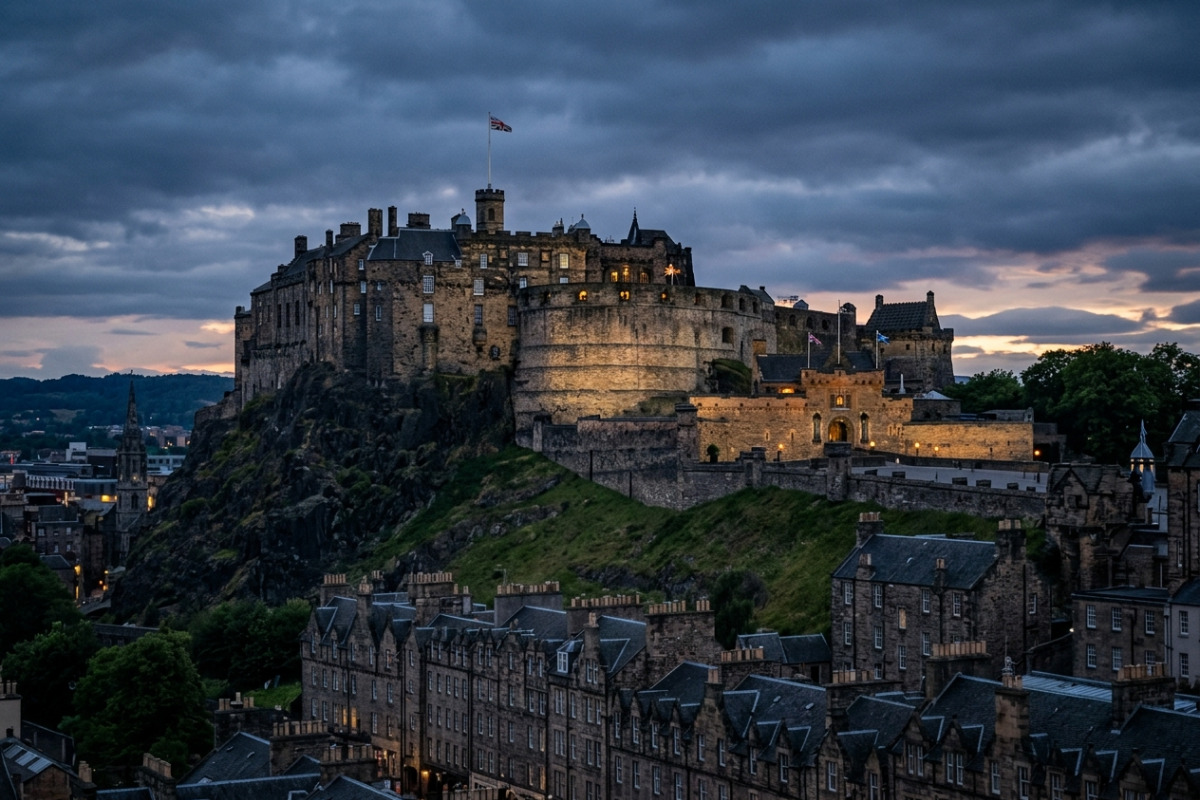
Edinburgh Castle is a monumental symbol of Scotland's heritage, perched majestically atop Castle Rock. For most visitors, the experience is defined by the grandeur of the Crown Jewels, the booming of the One O'Clock Gun, and the imposing silhouette of the Great Hall. However, beyond these iconic landmarks and the well-trodden tourist paths lies a treasure trove of hidden gems waiting to be discovered. These lesser-known features offer a unique glimpse into the castle's multi-layered history, moving away from the grand state narratives to the intimate, human stories etched into its very stone. This exploration invites you to look closer and uncover the captivating corners that many travelers overlook.
The Poignant Silence of the Dog Cemetery
One of the most touching and frequently missed sites within the castle walls is the Dog Cemetery. Tucked away on a quiet terrace just below the Mons Meg battery, this small, secluded garden has served as a final resting place for the regimental mascots and officers' dogs since the mid-19th century, during the Victorian era. Unlike the grand memorials found elsewhere in the fortress, this spot offers a moment of profound quiet and reflection.
The cemetery is visible from above, but its intimacy is what makes it a true hidden gem. Each small headstone tells a story of companionship in a place otherwise defined by conflict and military rigor. Names like 'Yosemite' and 'Dobbler' are carved into the stones, marking the lives of animals that provided comfort to soldiers stationed far from home. It is a rare reminder of the domestic side of garrison life and highlights a softer, more personal aspect of the castle’s long military history.
The Secret History in the Prisons of War
While the 'Prisons of War' exhibition is a known part of the castle, many visitors rush through the reconstructed hammocks without noticing the most authentic treasures: the original graffiti. In the late 18th and early 19th centuries, the castle vaults held thousands of prisoners from the Seven Years' War, the American War of Independence, and the Napoleonic Wars. These men, confined in the dark, damp casemates, left behind incredible evidence of their presence.
If you look closely at the wooden doors and stone walls, you can find intricate carvings of sailing ships, names, and dates. Perhaps the most significant hidden detail is a carving of the early American 'Stars and Stripes' flag, believed to be one of the earliest depictions of the flag ever created in Europe. These carvings are not just idle doodles; they were acts of defiance and expressions of identity by men caught in the gears of international warfare. Taking the time to find these specific marks transforms the vaults from a generic museum space into a vivid, haunting connection to the individuals who once suffered there.
The Architectural Mystery of David’s Tower
Most visitors walk right over one of the castle's most significant structures without realizing it. David’s Tower was once the dominant feature of the medieval fortress, a massive L-plan tower built in the 14th century. However, during the 'Lang Siege' of 1573, the tower was bombarded into rubble. Rather than clearing the remains, the builders of the Half Moon Battery simply constructed the new fortifications directly over the ruins.
Today, you can descend into the excavations beneath the Half Moon Battery to see the remnants of David’s Tower. This subterranean world is a stark contrast to the polished displays above. Here, you can see the original medieval masonry and the 'window' through which the defenders once looked out. It is a literal layer of history, hidden beneath the feet of thousands of daily visitors, offering a tangible sense of the castle’s resilience and the way it has been rebuilt and repurposed over the centuries.
The Intimate Details of the Royal Palace
The Royal Palace is home to the famous Honours of Scotland, but the building itself contains subtle architectural gems that are often bypassed in the queue for the jewels. One such detail is the 'Birth Chamber' or Mary, Queen of Scots’ closet. While the room is small and unassuming, the significance of what happened within its cramped walls is immense—it is where James VI of Scotland (and I of England) was born in 1566.
Look upward and at the fireplace to find the decorative carvings that celebrate the union of the crowns. The ceiling features the initials 'MR' (Maria Regina) and 'JR' (Jacobus Rex). Furthermore, the palace exterior holds hidden heraldic carvings that signify the shifting loyalties and dynastic ambitions of the Scottish monarchs. These small, intricate details provide a more nuanced understanding of the royal residence than the grand tapestries or gilded furniture ever could.
The Lang Stairs: A Path Less Traveled
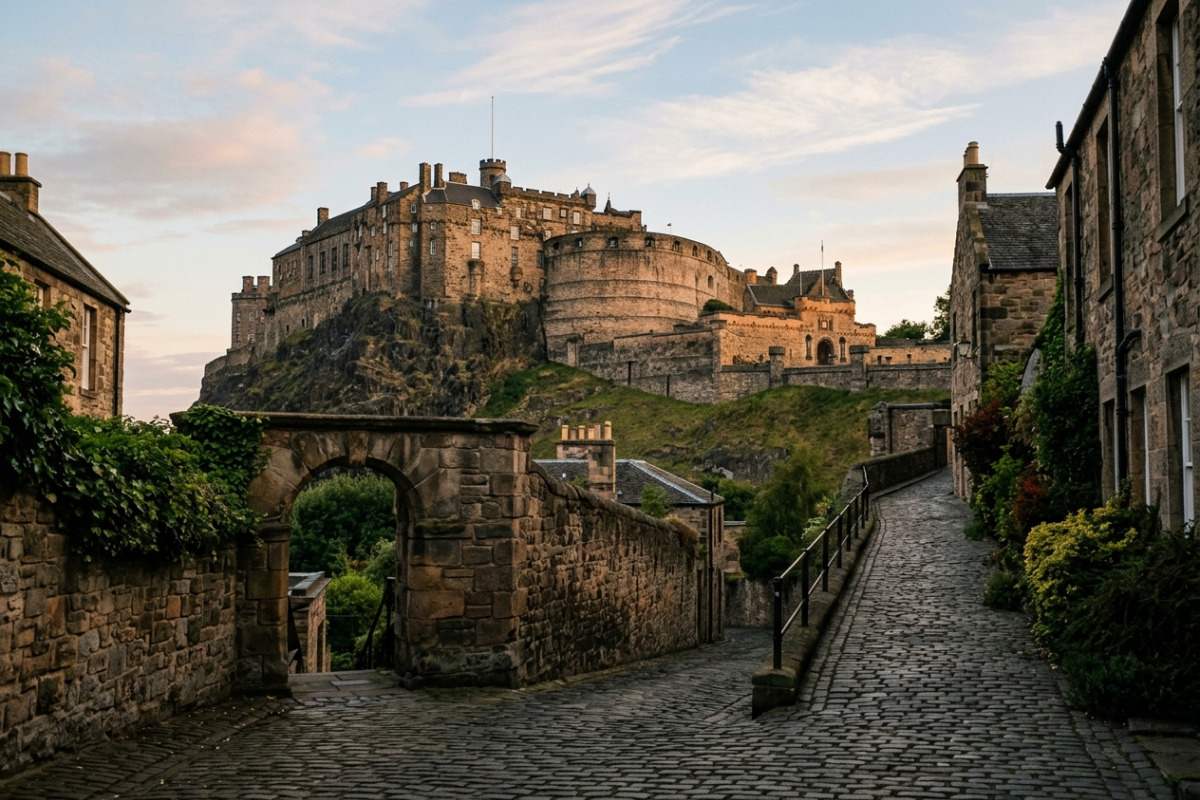
While most people follow the gentle, winding cobblestone slope of the Royal Mile entrance up to the summit, the more adventurous can take the Lang Stairs. These 70 steep stone steps were originally the main pedestrian access to the Upper Ward in the medieval period. Choosing this route provides a completely different perspective on the castle’s verticality and its defensive genius.
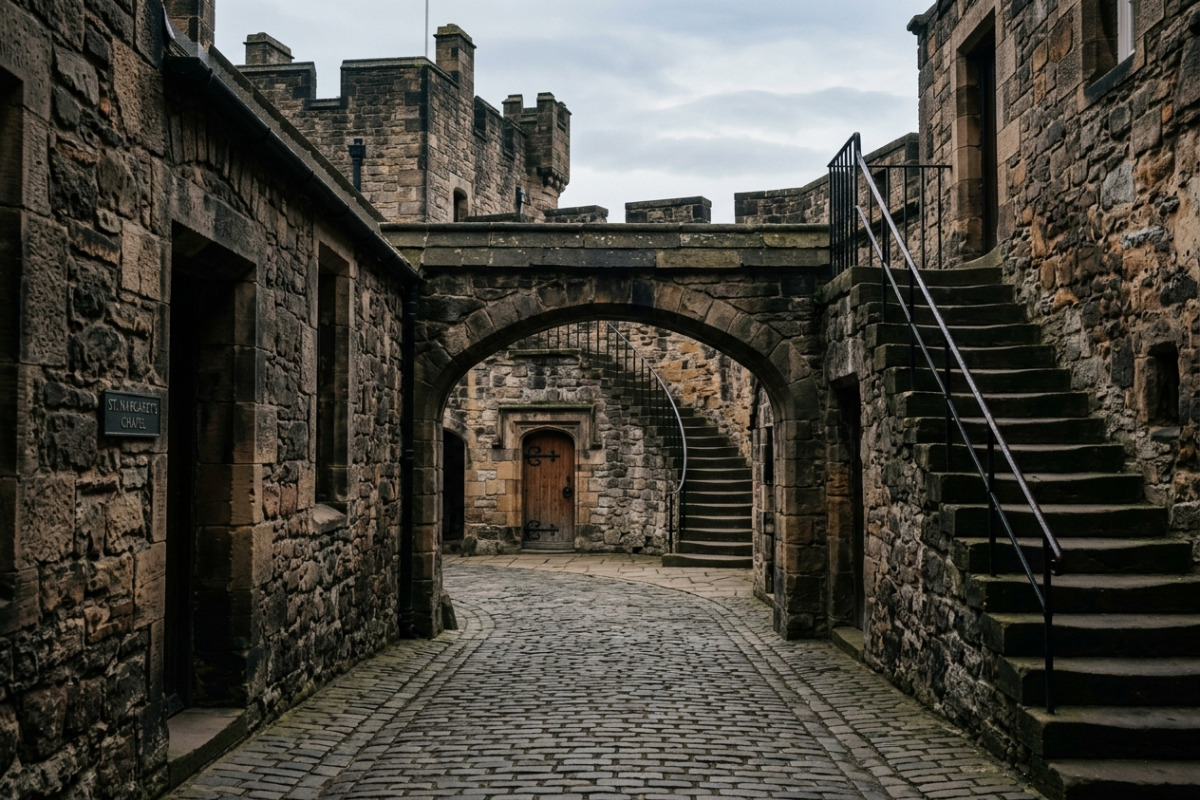
Climbing the Lang Stairs allows you to appreciate the sheer scale of the volcanic rock and the way the masonry is integrated into the natural cliffs. It is a rugged, breathless ascent that makes you realize why the castle was so difficult to take by force. Along this path, you are also more likely to notice the smaller defensive slits and the texture of the ancient stone, away from the main flow of the crowds.
The Forgotten Stories of the Covenanters
Edinburgh Castle has served as a grim prison for many throughout the ages, but the stories of the Covenanters—17th-century religious rebels—are often overshadowed by the earlier tales of Bruce and Wallace. Within the castle’s darker corners, these men were held for their beliefs in a period of intense religious upheaval. Exploring the lower levels and the less-visited corridors of the military barracks reveals plaques and subtle markers dedicated to those who were executed or transported from this spot. Engaging with these narratives adds a layer of social and religious depth to the castle, moving it beyond a mere fortress into a site of ideological struggle.
Conclusion: Embracing the Hidden Narrative
To truly experience Edinburgh Castle is to look past the obvious. While the panoramic vistas of the city and the massive presence of Mons Meg are undeniably impressive, the true magic of this historic site lies in its smallest details. Whether it is the name of a long-dead dog carved into a Victorian headstone, a prisoner's sketch of a ship, or the medieval foundations hidden beneath a 16th-century battery, these hidden gems provide a more intimate and authentic connection to the past.
When planning your visit, allow yourself the time to wander without a map. Look for the carvings in the wood, the variations in the stonework, and the quiet terraces that the tour groups ignore. By seeking out these lesser-known treasures, you will find that Edinburgh Castle is not just a monument to be viewed, but a complex, living history book waiting to be read. The stories are there, etched into every corner; you only need to know where to look to find the soul of Scotland’s most famous fortress.
Enjoyed this article?
Share it with friends and fellow castle enthusiasts.