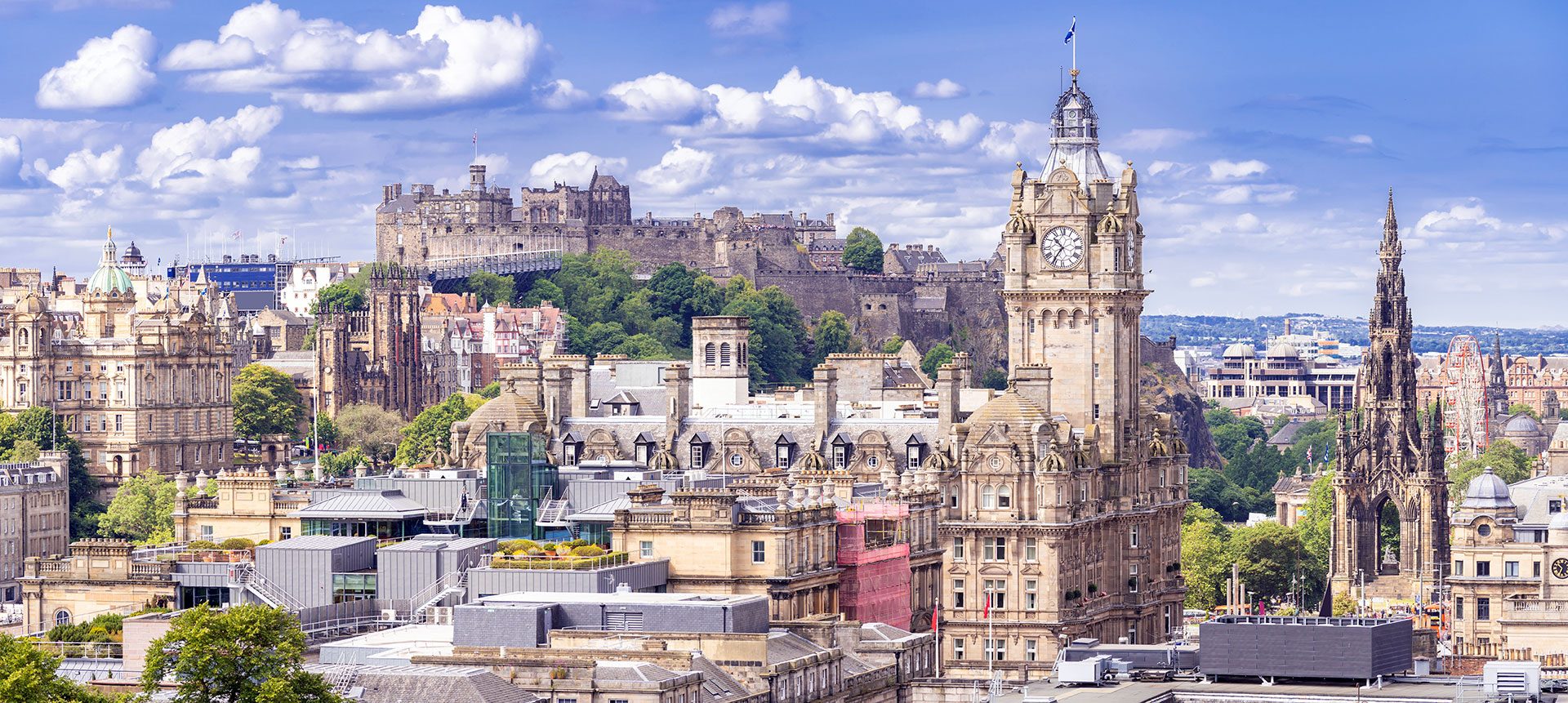
Legendary Figures
The Characters of Edinburgh Castle
Meet the remarkable individuals who shaped the fortress and Scotland's destiny
Legendary Figures
Meet the remarkable individuals who shaped the fortress and Scotland's destiny
Crowns & Thrones
An English princess raised in exile in Hungary, Margaret fled to Scotland after the Norman invasion. She married King Malcolm III and became renowned for her piety. She died at Edinburgh Castle in 1093 upon hearing of her husband's death in battle. Her son David I built St Margaret's Chapel in her honour—Edinburgh's oldest surviving building.
After 11 years as an English hostage, David II returned to Scotland determined to establish his authority. He invested heavily in restoring Edinburgh Castle, culminating in the construction of David's Tower—over 30 metres tall. Though largely destroyed in 1573, its ruins remain visible within the Half Moon Battery.
James IV completed the magnificent Great Hall in 1511. Their union celebrated in carved stone—Scottish thistles and English roses. Tragically, James died at Flodden just two years later. Margaret's lineage would eventually unite both crowns.
Ruling as Queen Regent from 1554, Mary of Guise governed Scotland on behalf of her daughter, Mary Queen of Scots. An intelligent leader during religious upheaval, she died at Edinburgh Castle in 1560. Her body remained in St Margaret's Chapel for months before being transported to France.
In June 1566, Mary gave birth to her son James within the Royal Palace—choosing the castle's security after her secretary Rizzio's assassination at Holyrood. Her turbulent reign ended in forced abdication and imprisonment in England. She never returned to Scotland.
The only monarch born at Edinburgh Castle, James became king at just 13 months old. When Elizabeth I died in 1603, he claimed the English throne and departed for London, returning just once in 1617 with the castle's birth room as the ceremonial centrepiece.
Heroes & Visionaries
After signing Charles I's death warrant, Cromwell invaded Scotland in 1650. He occupied Edinburgh Castle, refused to celebrate Christmas, had royal decorations defaced, converted the Great Hall into military quarters, and installed a permanent garrison.
The celebrated novelist sparked renewed interest in Scotland's heritage. In 1818, he received royal permission to open the sealed Crown Room, where the Honours of Scotland had lain hidden for 111 years—transforming the castle into a tourist destination.
This respected Edinburgh architect was tasked with restoring the castle in the 1880s. Blanc remodelled the Great Hall and built the Argyle Tower, and famously refused to hand over the keys when the army wanted to convert the Hall into an armoury.
Walk the same halls and battlements where these remarkable figures made history.