Explore the hidden layers of Edinburgh Castle. From its volcanic origins and secret dog cemeteries to the poignant graffiti of prisoners, discover the unseen stories of Scotland's icon.
Edinburgh Castle stands as a magnificent symbol of Scotland's rich history, but there’s more to this iconic fortress than meets the eye. While many visitors flock to its ramparts for breathtaking views and a glimpse into its storied past, understanding its broader significance requires looking beyond the standard tourist trail. To truly experience the castle is to look into the very stone of the volcanic plug it sits upon and listen to the echoes of the marginalized, the captive, and the forgotten. In this guide, we delve into the unique perspectives and lesser-known stories that make Edinburgh Castle an essential, multi-layered stop for any traveler seeking more than just a photo opportunity.
The Geological Soul: Life on a 350-Million-Year-Old Volcano
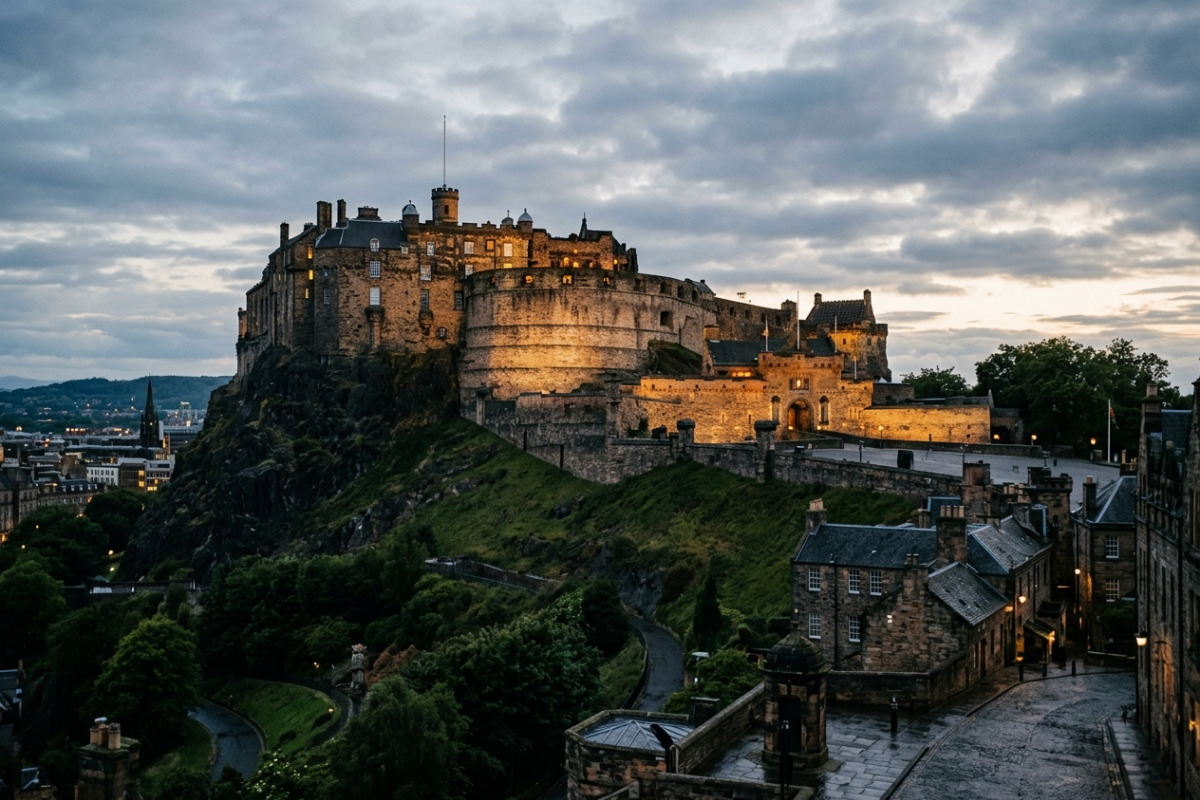
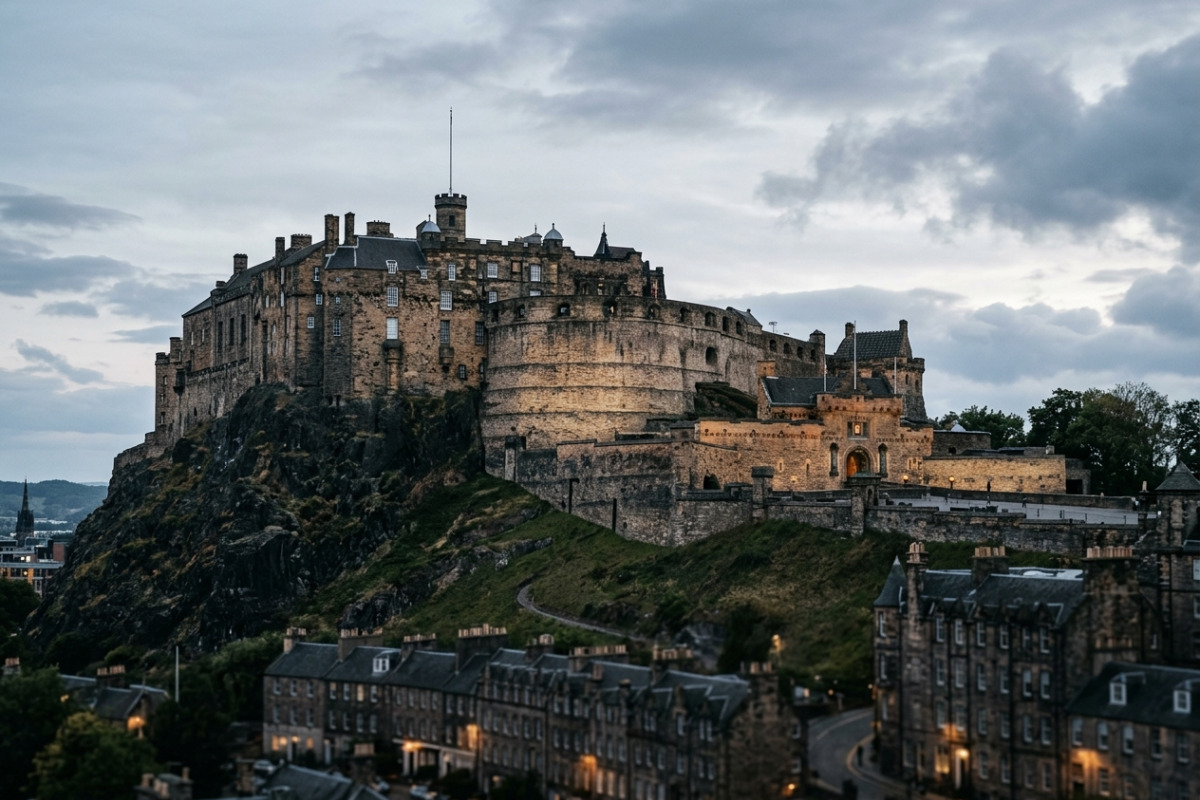
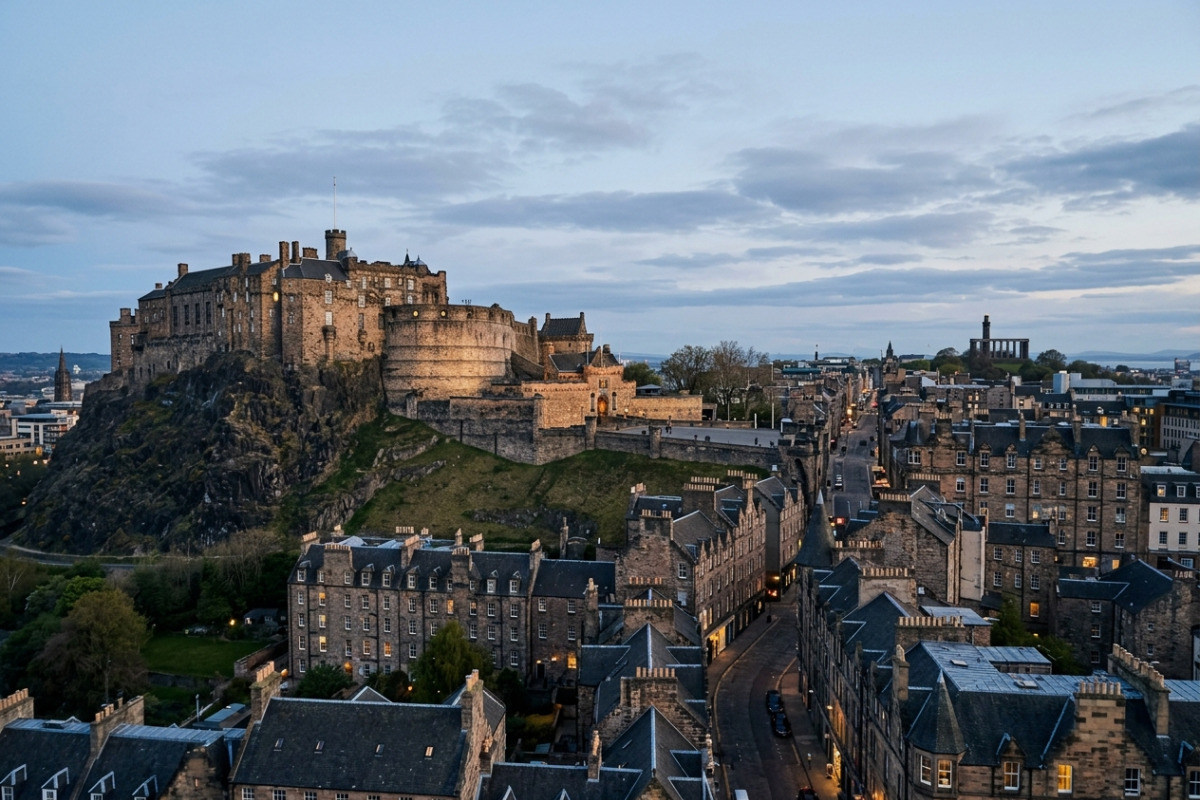
Before the first stone was laid, the story of Edinburgh Castle began with fire. The castle sits atop Castle Rock, a volcanic plug formed approximately 350 million years ago during the Carboniferous period. This isn't just a fun fact for geologists; the very geography of the rock dictated the defensive strategies of Scotland for millennia. The 'crag and tail' formation, created by glacial erosion, provided a natural ramp (the Royal Mile) and precipitous cliffs that made the fortress nearly impregnable from three sides.
When you stand on the Western Defences, you aren't just looking at a wall; you are looking at a masterclass in military adaptation to nature. Understanding this ancient foundation changes your perspective: the castle isn't just *on* the hill; it is an extension of the volcanic basalt itself. This unique relationship between geology and architecture is what allowed the castle to survive twenty-six sieges, making it one of the most besieged places in Great Britain.
The Silent Sentinels: The Officers' Dog Cemetery
While thousands pass through the Foog’s Gate to see the Honours of Scotland, few stop to peer over the walls near the Argyle Battery to see one of the castle's most poignant and 'unseen' sites: the Dog Cemetery. Tucked away on a small, lush terrace, this tiny graveyard has been a resting place for the loyal companions of regimental officers since the 1840s.
This site offers a rare, tender glimpse into the personal lives of the soldiers stationed here. In a place defined by iron, stone, and blood, the meticulously carved headstones for dogs like 'Dobbler' or 'Yum Yum' remind us of the human need for companionship in the isolation of a military garrison. It provides a stark contrast to the grand narratives of kings and queens, offering a quiet, emotional perspective on the daily life of the castle’s inhabitants.
Voices from the Dark: The Prisons of War
To find the true 'unique perspective' of Edinburgh Castle, one must descend. The Prisons of War vaults offer a visceral connection to the global history of the 18th and 19th centuries. These weren't just local dungeons; they held prisoners from the American War of Independence, the Napoleonic Wars, and the Seven Years' War.
If you look closely at the wooden doors and stone walls, you can see the 'graffiti' of the past. French prisoners carved intricate sketches of ships, and American sailors scratched their names into the wood, desperate to leave a mark on a world that had forgotten them. These carvings are not just vandalism; they are primary historical documents. They tell stories of survival, showing how prisoners organized theatrical plays and even forged currency to pass the time. Exploring these depths allows you to see the castle not as a symbol of power, but as a site of international transition and human endurance.
The Alchemy of Remembrance: The Scottish National War Memorial
Most visitors enter the Scottish National War Memorial and admire its somber atmosphere, but few appreciate the incredible esoteric symbolism hidden within its craftsmanship. Rebuilt from a former barracks in the 1920s, the memorial is a masterpiece of Arts and Crafts design.
Look beyond the names of the fallen. Look at the windows and the carvings. You will find depictions of the 'animals of war'—not just horses and dogs, but carrier pigeons and even canaries used in the trenches to detect gas. The stained glass doesn't just show biblical scenes; it depicts the industrial reality of modern warfare, featuring tanks, planes, and nurses. This unique perspective blends the medieval tradition of the castle with the harsh reality of the 20th century, creating a space that is as much an art gallery as it is a shrine.
The Stone of Destiny: More Than Just a Rock
Housed within the Crown Room are the Honours of Scotland, but the most culturally significant object is arguably the Stone of Destiny (An Lia Fàil). While the Crown Jewels represent royal wealth, the Stone represents the very soul of Scottish sovereignty. Its history is a blend of myth and political intrigue, having been captured by Edward I in 1296 and only officially returned to Scotland in 1996.
To understand the castle's role in Scottish identity, one must contemplate this block of red sandstone. It has been used for the coronation of Scottish monarchs for centuries. For more insights into the castle's sections, including the Royal Palace and Great Hall, check out our detailed sections guide. Seeing the Stone alongside the Crown Jewels provides a perspective on the tension between the physical symbols of power and the spiritual symbols of a nation.
The Temporal Pulse: The One O'Clock Gun
At precisely 1:00 PM (except on Sundays, Christmas Day, and Good Friday), the blast of the One O'Clock Gun echoes across the city. Most tourists gather to watch the spectacle, but the *unique* story lies in its purpose. It was established in 1861 as a time signal for ships in the Firth of Forth, complementing the 'Time Ball' on the Nelson Monument.
This tradition links the castle to Edinburgh's history as a center of maritime trade and scientific innovation. It wasn't just about military might; it was about the synchronization of time. Standing near the gun when it fires allows you to feel the vibration in the very rock beneath your feet—a physical reminder that the castle still plays a functional, rhythmic role in the life of the modern city below.
The Smallest Sanctuary: St. Margaret's Chapel
In the midst of a fortress designed for thousands of soldiers sits a building that can barely hold twenty people. St. Margaret's Chapel is the oldest surviving building in Edinburgh, dating back to the 12th century. It survived the 'scorched earth' policy of Robert the Bruce, who ordered the destruction of the castle's defenses to prevent them from falling into English hands, but spared the chapel out of respect for the saintly Queen Margaret.
The unique perspective here is the contrast. The chapel is a pocket of absolute silence inside a monumental fortress. Its thick walls and tiny, rounded windows offer a glimpse into the Romanesque architecture of a bygone era. It serves as a reminder that even in a place built for war, there was always a dedicated space for peace and reflection.
Conclusion: A Journey Beyond the Walls
Edinburgh Castle offers more than just stunning views and historical artifacts; it invites you to engage with Scotland's heritage on a deeper, more nuanced level. By looking at the volcanic foundations, honoring the pets of the soldiers, reading the graffiti of the prisoners, and finding silence in St. Margaret's Chapel, you move beyond the generic tourist experience.
This fortress is a living organism, a place where geology, art, and human struggle intersect. When you visit, don't just look at the walls—look through them. For more practical information and tips on how to navigate these hidden corners, be sure to check our visiting information page. Your adventure at Edinburgh Castle, a journey through the layers of time and the echoes of the unseen, awaits!
Enjoyed this article?
Share it with friends and fellow castle enthusiasts.